
Boost Your Indoor Air Quality Today to Improve Indoor Air Health
- 5 days ago
- 3 min read
Breathing clean air inside your home or office is something we often take for granted. Yet, the quality of the air we breathe indoors can significantly affect our health, comfort, and productivity. Whether you own a home, manage rental properties, or oversee commercial spaces, improving indoor air health is essential. Today, I want to share practical tips and insights that will help you boost your indoor air quality today, making your environment fresher, safer, and more inviting.
Why Improving Indoor Air Health Matters
Indoor air can be surprisingly polluted. Dust, allergens, mold spores, pet dander, and even chemicals from cleaning products or building materials can accumulate and linger. Poor air quality can lead to headaches, fatigue, allergies, respiratory issues, and even worsen chronic conditions like asthma.
Improving indoor air health is not just about comfort; it’s about creating a space where you and others can thrive. Clean air supports better sleep, sharper focus, and overall well-being. Plus, it protects your property by reducing moisture and mold growth, which can cause costly damage.
Taking steps to improve your indoor air quality is a smart investment in your health and your property’s longevity.

Simple Ways to Improve Indoor Air Health
You don’t need complicated gadgets or expensive renovations to make a difference. Here are some straightforward actions you can take right now:
Ventilate regularly: Open windows and doors when weather permits. Fresh air circulation helps dilute indoor pollutants.
Keep humidity in check: Use dehumidifiers or air conditioners to maintain humidity between 30% and 50%. This discourages mold and dust mites.
Clean smartly: Vacuum with a HEPA filter, dust surfaces with a damp cloth, and avoid harsh chemical cleaners.
Control sources of pollution: Ban smoking indoors, store chemicals safely, and choose low-VOC paints and materials.
Add indoor plants: Certain plants like spider plants and peace lilies can naturally filter some toxins from the air.
If you want to dive deeper into how to improve indoor air quality, there are many resources available that offer detailed guidance tailored to your specific needs.
What to Do When Indoor Air Quality Is Bad?
Sometimes, despite your best efforts, indoor air quality can still be poor. Maybe you notice persistent odors, increased allergy symptoms, or visible mold. Here’s what you can do:
Identify the source: Check for mold, water leaks, or sources of smoke and chemicals.
Improve ventilation: Use exhaust fans in kitchens and bathrooms to remove moisture and odors.
Upgrade your HVAC system: Regular maintenance, filter changes, and possibly adding air purifiers or UV lights can make a big difference.
Test your air: Consider professional air quality testing to pinpoint specific pollutants.
Seek professional help: If mold or other issues are severe, a specialist can provide remediation services.
Taking these steps promptly can prevent health problems and protect your property from long-term damage.

The Role of HVAC in Maintaining Clean Indoor Air
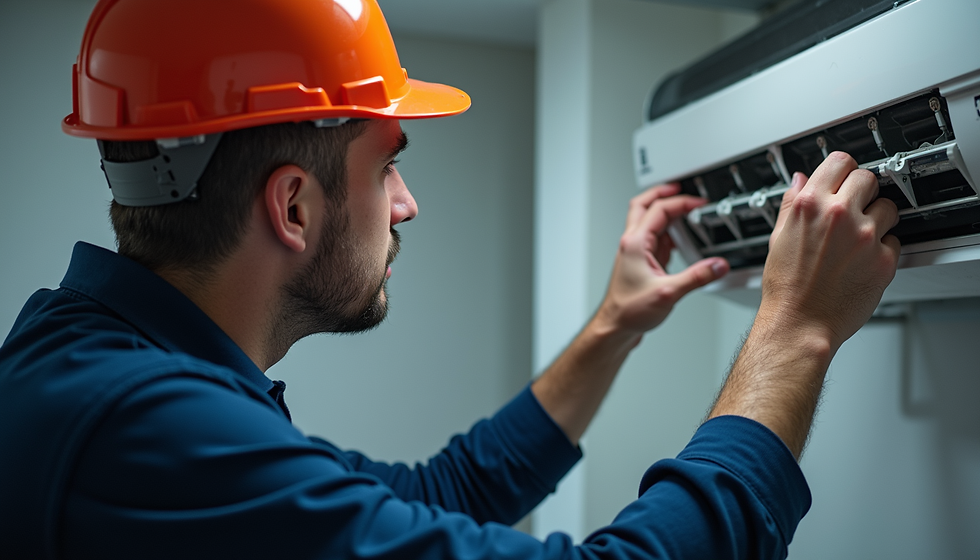
Your heating, ventilation, and air conditioning (HVAC) system plays a crucial role in indoor air health. A well-maintained HVAC system circulates air efficiently, filters out dust and allergens, and controls humidity levels.
Here are some tips to keep your HVAC system working for you:
Change filters regularly: Depending on your system and environment, this could be every 1-3 months.
Schedule professional inspections: Annual check-ups can catch issues before they affect air quality.
Consider upgrades: High-efficiency filters, air purifiers, and UV light systems can enhance your HVAC’s ability to clean air.
Seal ducts: Leaky ducts can bring in dust and pollutants from attics or crawl spaces.
By investing in your HVAC system, you’re investing in healthier air and a more comfortable space.
Creating a Long-Term Plan for Healthy Indoor Air
Improving indoor air quality is not a one-time task but an ongoing commitment. Here’s how to build a sustainable plan:
Set a cleaning schedule: Regular dusting, vacuuming, and filter changes keep pollutants at bay.
Monitor humidity: Use a hygrometer to keep an eye on moisture levels.
Educate occupants: Encourage everyone to avoid smoking indoors and to report any air quality concerns.
Stay informed: Keep up with new technologies and best practices for indoor air health.
Use professional services: Regular HVAC maintenance and air quality assessments can catch problems early.
By making these habits part of your routine, you ensure your indoor environment remains fresh and healthy year-round.
Improving indoor air quality is a journey worth taking. With simple steps, smart maintenance, and a little attention, you can create a space that feels clean, comfortable, and safe. Whether it’s your home, rental property, or commercial space, fresh air is a gift everyone deserves. Start today, and breathe easier tomorrow.


Comments