
Top Ways to Boost Indoor Air Quality - Indoor Air Improvement Tips
- 3 days ago
- 4 min read
Breathing clean air inside your home or office is something we often take for granted. Yet, the quality of the air we breathe indoors can significantly affect our health, comfort, and productivity. Whether you’re managing a cozy home, a busy rental property, or a commercial space, improving indoor air quality is essential. Today, I want to share some practical, easy-to-follow tips that can help you breathe easier and feel better every day.
Why Indoor Air Improvement Tips Matter
Indoor air can be surprisingly polluted. Dust, allergens, pet dander, mold spores, and even chemicals from cleaning products or building materials can linger in the air. Poor air quality can cause headaches, fatigue, allergies, and respiratory issues. For anyone who spends a lot of time indoors, these problems can add up.
The good news? You don’t need expensive equipment or complicated solutions to make a difference. Simple changes and smart habits can dramatically improve the air you breathe. From ventilation to cleaning routines, here are some of the best indoor air improvement tips that I’ve found effective.

Practical Ways to Boost Your Indoor Air Quality
Let’s dive into some actionable steps you can take right now:
1. Increase Ventilation
Fresh air is your best friend. Opening windows and doors regularly helps flush out stale air and bring in oxygen-rich outdoor air. If you live in a place with high outdoor pollution, consider ventilating during times when air quality is better, like early morning.
For commercial or larger residential spaces, mechanical ventilation systems with heat recovery ventilators (HRVs) or energy recovery ventilators (ERVs) can be a game-changer. These systems exchange indoor air with fresh outdoor air while conserving energy.
2. Use High-Quality Air Filters
Your HVAC system’s air filter plays a crucial role in trapping dust, pollen, and other airborne particles. Upgrading to a high-efficiency particulate air (HEPA) filter or filters with a MERV rating of 11 or higher can capture smaller particles that standard filters miss.
Remember to change filters regularly—usually every 3 months or as recommended. A clogged filter reduces airflow and can even worsen air quality.
3. Control Humidity Levels
Humidity affects both comfort and air quality. Too much moisture encourages mold growth and dust mites, while too little can dry out your skin and respiratory tract.
Aim for indoor humidity levels between 30% and 50%. Use a humidifier or dehumidifier as needed, and fix leaks or water damage promptly to prevent mold.
4. Keep Your Space Clean
Dust and allergens settle on surfaces and get stirred up into the air with movement. Regular cleaning reduces this buildup:
Vacuum carpets and rugs with a vacuum that has a HEPA filter.
Dust surfaces with a damp cloth to trap particles instead of spreading them.
Wash bedding and curtains frequently.
Avoid clutter that collects dust.
5. Choose Low-VOC Products
Volatile organic compounds (VOCs) are chemicals released by paints, cleaning products, and furniture. They can irritate your eyes, nose, and throat.
Opt for low-VOC or VOC-free paints and cleaning supplies. When painting or using strong chemicals, ventilate the area well.
6. Add Indoor Plants
Certain houseplants can help filter toxins from the air naturally. Plants like spider plants, snake plants, and peace lilies are known for their air-purifying qualities.
Just be mindful of overwatering, which can cause mold growth in soil.
Can I Measure AQI with My Phone?
You might wonder if you can check your indoor air quality right from your phone. The Air Quality Index (AQI) typically measures outdoor air pollution, but some apps and devices now offer indoor air monitoring features.
Many smart air quality monitors connect to your phone via Bluetooth or Wi-Fi. These devices track pollutants like particulate matter (PM2.5), carbon dioxide, humidity, and VOCs. The data appears in an app, giving you real-time insights and alerts.
While your phone alone can’t measure AQI without a sensor, pairing it with a quality monitor is a convenient way to stay informed and take action when needed.

Why Professional HVAC Services Matter
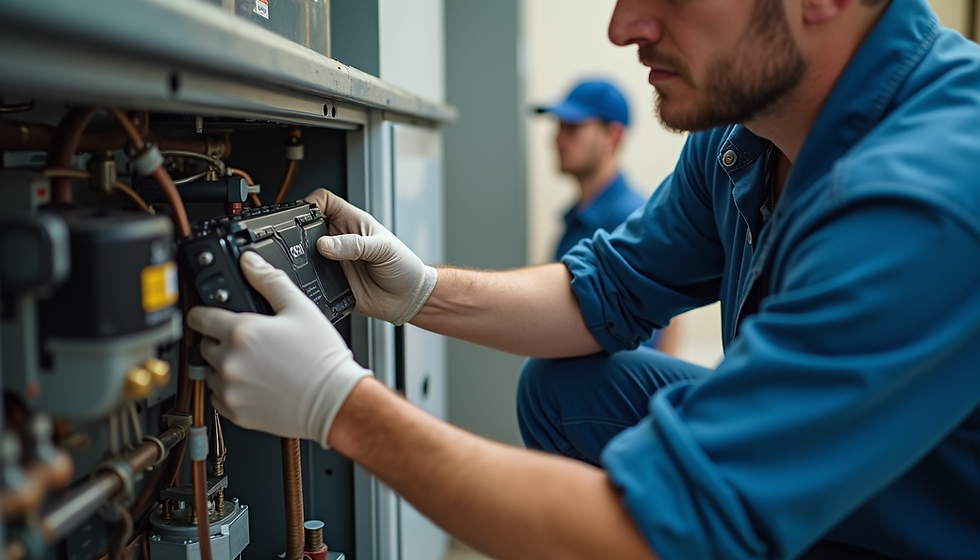
Your heating, ventilation, and air conditioning (HVAC) system is the heart of your indoor air quality. Regular maintenance and professional inspections ensure it runs efficiently and safely.
Here’s why professional HVAC services are worth considering:
System Cleaning: Dust and debris can accumulate in ducts and vents, reducing air quality.
Filter Replacement: Experts can recommend and install the best filters for your needs.
Repairs and Upgrades: Fixing leaks, improving ventilation, or upgrading to energy-efficient systems can boost air quality and save money.
After-Hours Support: Emergencies happen. Having access to after-hours HVAC services means you’re never left without clean air.
If you want to learn more about how to improve indoor air quality, professional HVAC support is a great place to start.
Small Changes, Big Impact
Improving indoor air quality doesn’t have to be overwhelming. Start with a few simple steps and build from there. Open a window, swap out your air filter, or add a plant. These small changes add up to a healthier, more comfortable space.
Remember, clean air is a gift you give yourself and everyone who shares your space. It’s about feeling refreshed, breathing easier, and living better.
Take a deep breath - your indoor air quality is in your hands!
If you want to explore HVAC options or need expert advice on maintaining your system, don’t hesitate to reach out. Clean air is closer than you think.


Comments