
ac cooling troubleshooting: Troubleshooting Tips for an AC That’s Not Cooling
- 20 hours ago
- 4 min read
When your air conditioner stops cooling, it can feel like the heat is closing in on you. I’ve been there, and I know how frustrating it is when your AC just won’t do its job. But before you call for help, there are some simple things you can check and try yourself. In this post, I’ll walk you through practical, easy-to-follow troubleshooting tips to get your AC back to cooling your space comfortably.
Understanding ac cooling troubleshooting: Where to Start
The first step in any troubleshooting process is understanding the problem. When your AC isn’t cooling, it could be due to a variety of reasons. Sometimes, it’s a simple fix like a dirty filter or a thermostat setting. Other times, it might be a more complex issue like a refrigerant leak or a faulty compressor.
Here’s a quick checklist to start your ac cooling troubleshooting:
Check the thermostat settings: Make sure it’s set to “cool” and the temperature is lower than the current room temperature.
Inspect the air filter: A clogged filter can block airflow and reduce cooling efficiency.
Look at the outdoor unit: Ensure it’s not blocked by debris, leaves, or plants.
Listen for unusual noises: Strange sounds can indicate mechanical problems.
Check the circuit breaker: Sometimes the AC unit trips the breaker and needs to be reset.
Taking these steps can often solve the problem without needing professional help. If you want to dive deeper, keep reading for more detailed tips.
Common Causes and Fixes for AC Not Cooling
Let’s break down some of the most common reasons your AC might not be cooling and what you can do about them.
Dirty or Clogged Air Filters
Air filters trap dust and dirt, but when they get too dirty, they restrict airflow. This makes your AC work harder and cool less effectively. Changing or cleaning your air filter every 1-3 months can make a huge difference.
Actionable tip: Replace your air filter if it looks gray or clogged. If you have pets or live in a dusty area, check it more often.
Thermostat Issues
Sometimes the thermostat is the culprit. It might be set incorrectly, or the batteries could be dead. Also, if the thermostat is old or malfunctioning, it might not communicate properly with your AC.
Actionable tip: Double-check the settings and replace batteries if needed. Consider upgrading to a programmable thermostat for better control.
Refrigerant Leaks
Refrigerant is the chemical that cools the air. If your AC is low on refrigerant, it won’t cool properly. Unfortunately, you can’t fix this yourself because it requires specialized tools and knowledge.
Actionable tip: If you suspect a refrigerant leak (ice buildup on coils or hissing sounds), call a professional technician.
Blocked or Dirty Condenser Coils
The condenser coils in the outdoor unit release heat from your home. If they’re dirty or blocked, the AC can’t cool efficiently.
Actionable tip: Turn off the power and gently clean the coils with a garden hose or coil cleaner. Remove any debris around the unit.
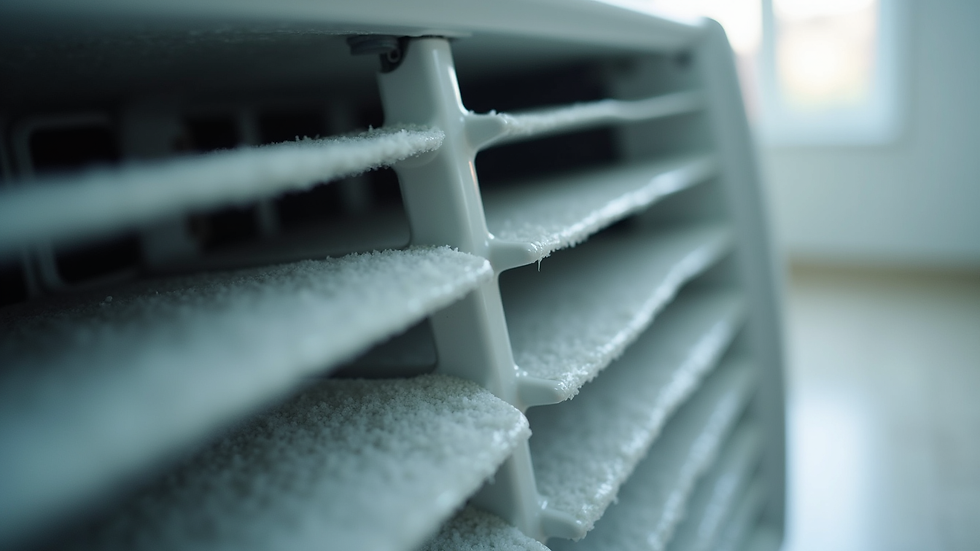
Frozen Evaporator Coils
If the evaporator coils freeze, airflow is blocked, and cooling stops. This can happen due to low refrigerant, dirty filters, or fan problems.
Actionable tip: Turn off the AC and let the ice melt. Then check filters and airflow. If freezing continues, call a technician.
Electrical Issues
Faulty wiring, blown fuses, or tripped breakers can stop your AC from working.
Actionable tip: Check your circuit breaker panel and reset any tripped breakers. If the problem persists, have an electrician inspect the wiring.

What is the $5000 rule for AC?
You might have heard about the "$5000 rule" when it comes to air conditioning repairs or replacements. This rule is a simple guideline to help you decide whether to repair or replace your AC unit.
Here’s how it works:
If the cost of repairing your AC is more than $5000, it’s usually better to replace the unit.
If the repair cost is less than $5000, fixing the existing unit might be more economical.
Why $5000? This figure generally covers the cost of a new, energy-efficient AC system installation, including labor and materials. Spending more than this on repairs can mean you’re throwing money at an old system that might break down again soon.
Keep in mind: This is a guideline, not a hard rule. Consider the age of your AC, energy efficiency, and your budget before making a decision.
DIY Maintenance Tips to Keep Your AC Cooling Efficiently
Regular maintenance can prevent many common AC problems. Here are some simple things you can do to keep your system running smoothly:
Change or clean air filters regularly - This is the easiest and most effective way to improve cooling.
Keep the outdoor unit clean and clear - Remove leaves, dirt, and debris around the condenser.
Check and clean the evaporator and condenser coils - Dirty coils reduce efficiency.
Inspect the drain line - A clogged drain can cause water damage and reduce cooling.
Schedule professional tune-ups - Annual inspections by a licensed technician can catch problems early.
By staying on top of these tasks, you’ll save money and avoid the discomfort of a non-cooling AC.
When to Call a Professional for ac not cooling troubleshooting
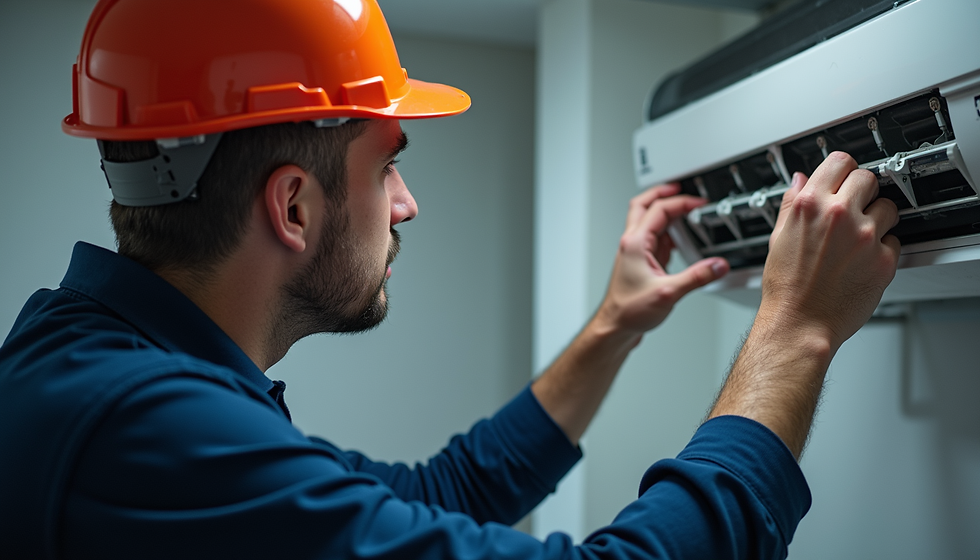
Sometimes, despite your best efforts, the AC still won’t cool. That’s when it’s time to call in the experts. Issues like refrigerant leaks, compressor problems, or electrical faults require professional tools and training.
If you’ve tried the basic troubleshooting steps and your AC is still not cooling, don’t hesitate to reach out for professional help. Remember, safety first - don’t attempt repairs involving electrical components or refrigerants yourself.
For reliable and prompt service, look for HVAC professionals who offer residential and commercial HVAC sales, services, and after-hour support. They can diagnose the problem quickly and get your system back to cooling your space comfortably.
If you want to learn more about ac not cooling troubleshooting, check out this helpful resource.
Keeping Your Cool: Final Thoughts on AC Troubleshooting
Dealing with an AC that’s not cooling can be stressful, but with a little know-how, you can often fix the problem yourself or know when to call for help. Remember to start with the basics: check your thermostat, clean or replace filters, and inspect your outdoor unit.
Regular maintenance is your best defense against unexpected breakdowns. And if you ever feel unsure, professional HVAC technicians are just a call away to provide expert service and peace of mind.
Stay cool and comfortable all year round by taking care of your AC system today!


Comments