
Choosing the Perfect HVAC System Made Simple: Selecting HVAC System Tips
- 1 day ago
- 4 min read
When it comes to keeping your home or commercial space comfortable year-round, the HVAC system plays a starring role. But with so many options out there, choosing the perfect HVAC system can feel overwhelming. I’ve been through this process myself, and I want to share some straightforward advice to make your decision easier. Whether you’re upgrading an old system or installing a new one, understanding the basics and knowing what to look for will save you time, money, and stress.
Let’s dive into some practical tips and insights that will help you select the right HVAC system for your needs.
Understanding Your HVAC Needs: Selecting HVAC System Tips
Before you start browsing models or calling contractors, it’s important to understand what your space really needs. HVAC systems come in many shapes and sizes, and the best choice depends on factors like the size of your home or building, your climate, and your budget.
Here are some key points to consider:
Size of the space: A system that’s too small won’t heat or cool effectively. Too large, and it will cycle on and off too often, wasting energy.
Climate: If you live in a place with harsh winters or hot summers, you’ll want a system that can handle extreme temperatures efficiently.
Energy efficiency: Look for systems with high SEER (Seasonal Energy Efficiency Ratio) ratings for cooling and high AFUE (Annual Fuel Utilization Efficiency) for heating.
Zoning options: Some systems allow you to control temperatures in different areas independently, which can save energy and increase comfort.
Maintenance and service: Consider how easy it is to maintain the system and whether you have access to reliable service providers.
Taking the time to assess these factors will help you narrow down your options and avoid costly mistakes.

How to Choose the Right HVAC System: Practical Tips
Now that you know what to consider, let’s talk about how to choose the right HVAC system. This is where many people get stuck, but it doesn’t have to be complicated. Here are some actionable steps to guide you:
Calculate your heating and cooling load
This is a fancy way of saying: figure out how much heating and cooling your space needs. You can use online calculators or hire a professional to perform a Manual J load calculation. This ensures your system is sized correctly.
Compare system types
Split systems: These are the most common, with an outdoor unit and an indoor unit.
Packaged systems: All components are in one unit, usually placed outside.
Ductless mini-splits: Great for homes without ductwork or for adding zones.
Heat pumps: Efficient for moderate climates, providing both heating and cooling.
Check energy efficiency ratings
Higher efficiency means lower energy bills. Look for ENERGY STAR certified models.
Consider your budget
Don’t just look at the upfront cost. Factor in installation, maintenance, and operating costs over time.
Think about smart features
Modern HVAC systems often come with programmable thermostats and remote control options, which can boost convenience and savings.
If you want a detailed guide on how to choose the right HVAC system, this resource breaks down the process step-by-step.
What is the $5000 Rule for HVAC?
You might have heard about the "$5000 rule" when it comes to HVAC systems. It’s a simple guideline to help you budget for a new installation or replacement. The rule suggests that the total cost of a new HVAC system—including equipment, installation, and any necessary ductwork—should be around $5000 for an average-sized home.
Why $5000? This figure balances quality and affordability. Spending much less might mean cutting corners on equipment or installation, which can lead to problems down the road. Spending significantly more doesn’t always guarantee better performance or savings.
Keep in mind, this is a general rule. Costs can vary based on:
The size and layout of your home or building
The type of system you choose
Local labor rates and permit fees
Additional features like zoning or air purification
Using the $5000 rule as a starting point helps you set realistic expectations and avoid surprises.

Maintenance Matters: Keeping Your HVAC System Running Smoothly
Choosing the perfect HVAC system is just the beginning. To get the most out of your investment, regular maintenance is key. Think of your HVAC system like a car—it needs tune-ups to run efficiently and avoid breakdowns.
Here are some maintenance tips that can extend the life of your system and keep it running smoothly:
Change filters regularly: Dirty filters reduce airflow and efficiency. Replace them every 1-3 months depending on usage.
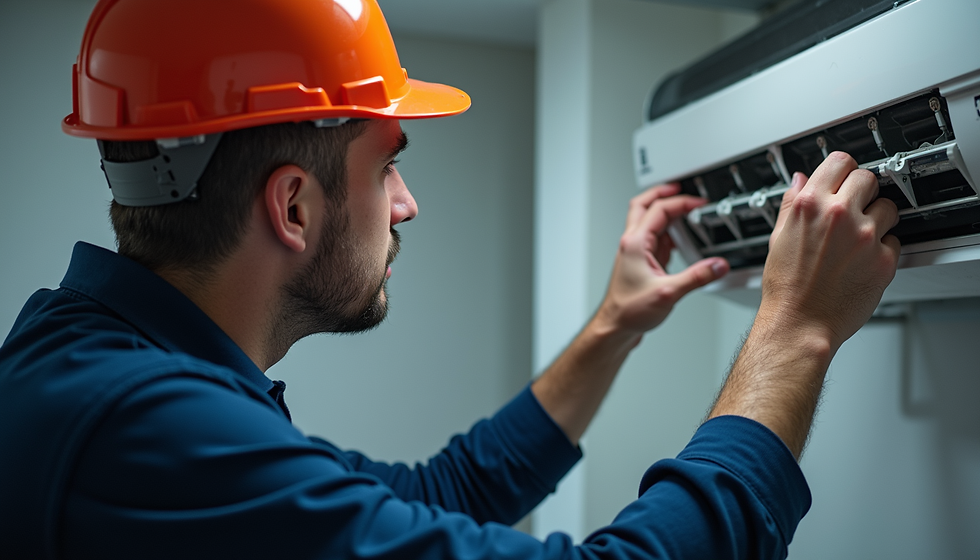
Schedule annual professional inspections: A technician can spot issues before they become costly repairs.
Keep outdoor units clear: Remove leaves, dirt, and debris from around your outdoor condenser.
Check and clean ducts: Clean ducts improve air quality and system efficiency.
Monitor your thermostat settings: Avoid drastic temperature changes that can strain your system.
By staying on top of maintenance, you’ll enjoy better comfort, lower energy bills, and fewer unexpected repairs.
Making the Right Choice for Your Space and Budget
Choosing the perfect HVAC system doesn’t have to be a headache. By understanding your needs, considering your budget, and planning for maintenance, you can find a system that keeps your space comfortable year-round.
Remember, the right HVAC system is an investment in your comfort and peace of mind. Take your time, ask questions, and don’t hesitate to consult with professionals who can guide you through the process.
If you’re ready to explore options or need expert advice, reaching out to a trusted HVAC provider can make all the difference. They can help you select a system tailored to your space and ensure a smooth installation.
Your perfect HVAC system is out there—let’s make sure you find it with confidence and ease.

Comments